


Empowered Optimism-the only kind that really works
We hear a lot about the importance of keeping a positive attitude, aka, being optimistic. Like gratitude, it’s a term that gets thrown around as one of those absolute “must-do’s” if you’re going to “live your best life” and “shed the negative beliefs holding you back,” and so on. The question is, how? With all the many not-so-positive things most of are contending with on a daily basis, optimism is a tall order.
When I talk about optimism though, I am not talking about the happy-face-emoji version of it we so often see espoused as a mental health panacea, but rather, a grounded, clear-eyed optimism. This optimism doesn’t ask us to superimpose a blanket of feel-goodness over layers of unhappiness. It does not ask us to deny, avoid, or repress pain in favor of “positivity.”
No, this type of optimism asks us to acknowledge and validate our emotions and experiences, actively face our difficulties and challenges, take self-supporting action, and find as much empowering and motivating material from our own lives as we can throughout the process. It creates a sense of possibility based on a recognition both of what we’re capable of, and the actions needed to shift us a little closer to wellness.
This is what I call Empowered Optimism.
We often think of optimism as that sense that things can and will somehow get better. When you add ‘empowerment’ into the mix however, it becomes a sense that things can and will get better because of what you do to make that happen.
Getting Real is Good
Empowered Optimism doesn’t tell us we can do anything and be anything, because that’s a set up for disappointment and disillusionment. For instance, telling myself I will someday be totally depression and anxiety-proof is not helpful because it’s unrealistic. Instead, I want to give myself something that is both inspiring and attainable.
So while there is nothing in my history to suggest I have the mental health superpowers necessary to attain a forever-state of bliss, I know that even when I’m scraping bottom, I’ve got the tools to pull myself up.
How do I know this? Because I have the evidence. Even if I have no idea how I’m going to drag myself out of bed, and less than an ounce of faith that anything I do will make a difference, I consistently choose to help myself—whether that means reaching out to friends, exercising, journaling, picking up my guitar, reading an inspirational blog or book, listening to an uplifting song. And I won’t stop until I feel better.
Try This: Proof of Your Inner Strength
- Think of a day or moment, sometime over the past month, when you pushed through painful or difficult mental health symptoms to get yourself up and out into the world, fulfill obligations, or take care of yourself and/or others.
- In your mind’s eye, picture yourself on that day or in that moment. Remember the obstacles, and see yourself overcoming them, doing what you needed to do in spite of everything working against you
- What did it feel like to prevail in spite of those challenges? Was there a sense of empowerment? Pride? Reassurance? Whatever the feeling, let it sink in.
This is proof that you have the inner strength needed to take care of yourself!
Taking Action with Self-Care Goals
When struggling with our mental health, it can feel like we’re just being carried along by a stream of circumstance, watching life from the sidelines, or stuck in “wishing and wanting” mode. Putting small, manageable, self-care goals in place gives us a greater sense of control, purpose, and direction.
If you’re going through a rough time, a self-care goal can simply be getting out of bed, calling a friend, reading an uplifting book or blog, doing a random act of kindness. If you’re managing anxiety, you could have as a self-care goal, a twice-daily breathing practice or finding a good therapist, a support or meditation group. And if you’re anything like me, making your physical environment as peaceful and cozy as possible is huge, so I include self-care goals things like clearing out clutter or adding some cozifying element to my house (I do love Etsy for that!).
Every time we fulfill one of these goals, however small, we’re reminding ourselves that we have the ability to take care of ourselves, and this provides a good dose of motivation to keep at it!
This is empowered optimism in action.

We all need a little boost sometimes, a reminder that we’re on the right track. One of my favorite ways of giving myself that, is having what I call "a letter of appreciation" on hand that I can read and/or listen to when the need arises. This letter is a way of reminding yourself of all that you've accomplished and all you are able to accomplish.
The best time to write and/or record your letter is when you're in a positive state of mind. Simply finish these three sentences:
- I have overcome...
- I am proud that I’ve...
- I am still working on...
- I am...and I will..
You can do these in any order, or use other words for the same idea. Try to allow yourself to free-write without editing, then you can go back and edit as needed. However you answer these, try to end on an empowering note, giving yourself a nice verbal high five. This can be something you read to yourself, or you can make a recording of it–hearing the encouragement from yourself can be very powerful.
Below I've shared a version I wrote for myself. I hope some of it resonates for you.
“I am not past all my struggles, and that's okay. It wasn’t a smooth road to get here, but I've come a long way and am proud of how hard I've worked to get where I am now. I have so many more tools and resources than I ever have. While my pain may still knock me down sometimes, I now know it won’t sink me; I have learned how to get back up again. I no longer believe that the struggles I face will do me in.
I work daily to maintain a foundation of mental and emotional health through all the practices I've learned and integrated into my life. I am developing positive psychological filters, which will bring greater resilience, emotional fortitude and a whole host of other inner resources that will emerge over time. My intuition about what I need grows with my awareness and acceptance of my current experiences and I trust that there is good growing behind the scenes that I may not yet be able to see.
I know that sometimes it's easier to see the negative than the positive, and I may still need evidence of positive changes in my life, but I am committed to paying attention to the good, no matter how small, and celebrating my every accomplishment. I know that it takes time and that every little bit helps. I am a powerful work in progress, and every day I am closer to healing what I can, and more skillfully managing anything that cannot be fully healed. I trust that the result will be a life that feels truly, deeply good."
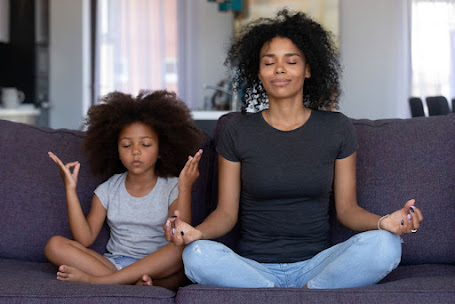
In the Time of COVID (as we may be referring to it years from now), things got pretty rough for most of us. And if you were already struggling with your mental health or a child’s mental health, you know it was like a double whammy. We were stretched to our limit on all fronts–keeping our kids and ourselves safe, engaged, and sane were like three full-time jobs rolled into one! So here are some things I did (and didn’t do) to help me get through– tips that are good for any time of crisis.
Here’s what I did...
1. Create a Support System Call List (and use it!).
A. Make a list of all your most non-judgmental, safe-feeling sources of support–whether family, friends, professionals, support groups, Facebook groups, or hotlines. This won’t be everyone in your life; most of us have at least some well-meaning people in our lives that just won’t get it, or who, for whatever reason, we’re not comfortable sharing highly sensitive information with. And of course, there are times we are just too emotionally exhausted to explain the situation while worrying about potentially negative reaction. Know that even if your list is short now, it will grow. I began this journey feeling certain that no one could understand my particular struggle, but along the way discovered so many unexpected allies.
B. Consider the types of support you need. I know for myself, there were days I just need a lighthearted conversation; other days I was looking to commiserate with someone who was equally invested in mine and my son’s well-being; and others, I needed specific recommendations from someone who’d faced similar challenges. With this in mind, write down next to each name, what that person/group offers you.
For instance:
Having this list did three things for me: first, it was a comforting reminder that I was not alone; second, it helped me identify the kind of support I needed in a given moment; and finally–and most importantly–it encouraged me to reach out when I needed that support.
C. Get comfortable reaching out. This can be tough for a lot of us; we may be embarrassed, afraid of appearing weak, worried about judgment, or just simply tired of talking about our problems. One thing is certain though, trying to manage things alone is hard as hell, and not nearly as effective. Support is available, you just need to practice asking for it!
2. Create a map of hope
When things look bleak, we need hope. Not fantasy-style hope, but hope based on real possibility. This may take some creative imagining, but you will never regret the time you spent thinking up all these good things!
A. You can use a sheet of paper or posterboard, depending upon how big you want your ‘hope map’ to be, and where it will end up (I like mine big and visible ). Then choose three colored markers and write the words Immediate, Near Future, and Long Term in different colors, wherever you like on the page, leaving room beneath each heading.
B. Now, ask yourself this question: What do I have in my life right now that feels good? This can be anything you enjoy doing, person you enjoy being with, or place you like spending time. Beneath the heading Immediate, write out as many of these things as you can without editing.
C. Next, write your response to this question under the heading Near Future: What positive things can I foresee happening in the near future (ie. taking a trip to visit our cousins, resuming our weekly family walks)? Try to visualize these experiences until you have a felt-sense of their comforting realness.
D. Finally, under the heading Long Term, finish this sentence: I am so looking forward to the time when… Allow yourself to imagine the very best of what’s possible for you and/or your child. It’s okay if your list is ambitious, in fact, it should be! You want this to be an exercise in hopefulness.
I feel bolstered whenever I read my hope map. Every one of these existing and potential positives is like an emotional nutrient. And as long as I have enough of this nutrition, I can get myself from point a to point b, however rocky the terrain in between. This is also a great exercise to do with your child!
3. Two highly-targeted meditations every day: The Regulater & The Elevater.
These meditations are based on a method I developed called CACAO, which combines the tools of conscious breathing, awareness, compassion, appreciation, and optimism, to regulate your nervous system and boost your mood. I recommend doing The Elevater (intentional spelling :) first thing in the morning, and before you go to sleep at night; and using The Regulater whenever you’re feeling anxious or just out of sorts. You can listen to them both here and download the ‘cheat sheet’ versions here.
And here’s what I didn't do
1. Guilt Myself
It’s hard not to wonder how much of our own, or our child’s suffering is due to something we’ve done wrong. And the reality is, sometimes it is! For instance, as loving and devoted a parent as I am, that first year of COVID did not bring out the best in me. I lost my cool far more than I consider acceptable, spent far too much time glued to my newsfeed, probably went overboard on safety measures (I know there are many who would insist I did!), shared too much about COVID in an attempt to scare B into being more careful. And these days, I wonder if I’m not being safe enough.
It’s equally hard not to question yourself when things go awry. Amongst my top 10 greatest self-questioning hits: “Did I miss critical cues?” “Was I not sensitive enough to his emotional needs?” “Was I too strict?”, “Did I not show enough compassion when he had meltdowns?”, “Should I have been more patient when he was bouncing off the walls?”…
Now, I think these are all reasonable questions, and worth asking. But only if done in a constructive way. So, I recommend, with whatever questions you’re asking yourself: ask the question simply, answer thoughtfully, then make any necessary adjustments and amends. That’s it. Because here’s the thing: guilt is not a motivator. It saps us of the energy we need to make positive changes, and causes us to question our very ability to make said changes. We can take responsibility for our mistakes without heading down the rabbit hole of self-recrimination!
2. Curb my bad habits
Like nightly Netflix binging, FB scrolling, over-caffeinating, overeating. Of course, I tried to keep my indulgences this side of destructive, but with everything going on, I knew it was not the time to amp up the self-discipline.
3. Worry about the future
We can inform ourselves, hold onto hope, and stay proactive. And that’s all we can do. As I consistently told myself: Plan wisely for the future then forget it.

The MAYFLOWER INN & SPA
The New England Good Life
Located in the idyllic town of Washington in Connecticut, Mayflower Inn & Spa is an exquisite country retreat, nestled in 58 acres of beautifully landscaped gardens and woodland. Just two hours’ drive from New York City, it is renowned as one of northeast America’s most distinguished luxury hideaways. Memories are made easily when you stay at our boutique hotel in Litchfield County, a portal to a simpler time, where the definitive measure of the good life is in soul-stirring moments rooted in the idyllic countryside.
Mohonk Mountain House

Founded by the Smiley Family in 1869, our Victorian castle resort is nestled in the Hudson Valley, only 90 miles north of New York City. Surrounded by 40,000 acres of pristine forest, our National Historic Landmark resort offers farm-to-table cuisine and an award-winning spa.


Social Icons